

Dental injuries are a common problem that can occur at any age and in a wide variety of circumstances, from sports matches to household accidents. The importance of first aid in these situations cannot be underestimated, as proper actions can prevent long-term complications and promote faster recovery. The consequences of such injuries can be not only painful but also have a lasting impact on oral health and overall well-being.
Knowing how to provide first aid for dental injuries is critically important. Quick and correct actions can not only reduce pain and discomfort but also significantly increase the chances of successfully restoring a damaged tooth. In this article, we will discuss the main types of dental injuries, including chips, cracks, dislocations, and tooth loss, and provide advice on first aid and methods for restoring damaged teeth.
Dental injuries can range from minor enamel damage to serious dislocations or tooth loss. The most common types of dental injuries are:
- Chipped teeth;
- Cracked teeth;
- Knocked-out teeth;
- Dislocated teeth;
Dental injuries can be stressful and cause anxiety, but the right actions can significantly reduce risks and support a quick recovery. Depending on the type of injury, first aid steps may vary considerably. Below are step-by-step instructions for the most common types of dental injuries.
First Aid for a Chipped ToothChipped teeth are minor enamel damages that often occur from chewing hard food or impacts.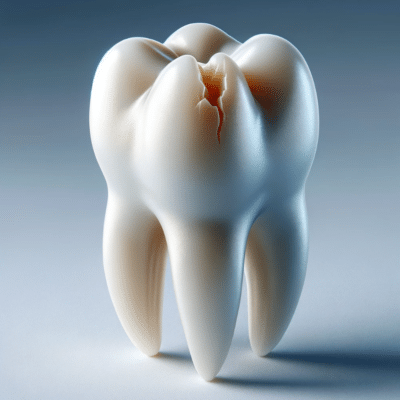 A chipped tooth can be an unexpected and stressful situation. Here are the steps to take:
If a large piece of the tooth has broken off, try to find and preserve it. This can be important for the dentist to restore the tooth later.
2. Rinse your mouthGently rinse your mouth with cold water. This helps clean the area from debris and reduces the risk of infection.
3. Control bleedingIf there is bleeding, gently press a clean gauze or bandage to the injured area. Hold the pressure for several minutes until the bleeding stops.
4. Apply a cold compressIf there is swelling or pain, apply a cold compress to the cheek on the side of the damaged tooth. This will help reduce swelling and relieve pain.
5. Temporary solutionAvoid chewing on the side of the damaged tooth. If possible, use suitable materials to cover sharp edges, but avoid any home repair attempts without consulting a dentist.
6. Visit a dentistSee a dentist, especially if a significant portion of the tooth has chipped off. The sooner you get professional help, the higher the chances of successful restoration.
First Aid for Cracked Teeth and How to Detect ThemCracked teeth can be not only painful but also lead to further complications. 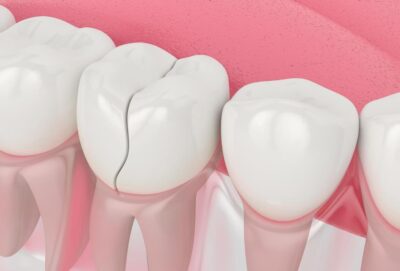 It’s important to know what to do if a tooth cracks, how to detect cracks in a tooth, and whether you need to see a dentist.
Cracks in a tooth are not always visible to the naked eye. Here are some signs that may indicate the presence of a crack:
- Sudden pain when chewing or consuming hot or cold drinks.
- Sensitivity to sweets.
- Unexplained discomfort around a specific tooth.
- Pain relief:
- Rinse your mouth with cold water.
- Apply a cold compress to the cheek to reduce swelling and pain.
- Use of over-the-counter painkillers:
- You can take an over-the-counter painkiller for temporary relief.
- Temporarily avoid hard foods:
- Avoid chewing on the side of the damaged tooth.
- See a dentist:
- If you suspect a crack, make sure to see a dentist. Professional evaluation and treatment are essential to prevent further damage to the tooth.
Absolutely, a cracked tooth requires a visit to the dentist. Even if the crack is small and not causing pain, it can increase the risk of infection or further tooth damage. The dentist can determine the best treatment method, which may include restoration, a crown, or other procedures depending on the extent of the damage.
First Aid for a Knocked-Out Tooth: Step-by-Step GuideA knocked-out tooth is when a tooth is completely displaced from its socket.  If a tooth has been knocked out, here are the steps to take:
If a tooth is knocked out, it is important to find it as quickly as possible. Pick up the tooth by the crown, avoiding contact with the root.
2. Clean the toothIf the tooth is dirty, gently rinse it with milk or saline solution. Do not use soapy water and do not wipe the tooth.
3. Try to reinsert the toothCarefully attempt to place the tooth back into its socket. If this is not possible or causes severe pain, do not continue.
4. Store the toothIf reinsertion isn’t possible, store the tooth in milk or saline solution. This will help preserve the root’s viability.
5. Stop bleedingPlace a clean gauze or cloth over the area of the knocked-out tooth and gently press to stop the bleeding.
6. Seek immediate dental careGo to a dentist or emergency dental service immediately. Prompt intervention can increase the chances of saving the tooth.
7. Apply a cold compressTo reduce swelling and pain, apply a cold compress to the cheek.
Remember that with a knocked-out tooth, quick and correct actions can be critical for successful restoration. It’s important to stay calm and act decisively to maximize the chances of effective treatment. Do not delay visiting a dentist, as time plays a key role in saving the tooth.
First Aid for Tooth Dislocations: Actions and RecommendationsA tooth dislocation is a serious injury that can result from a blow or trauma. If you are faced with a situation where a tooth has been displaced or knocked out of position, here are the key steps to take.
1. Assess the condition of the toothBefore taking action, carefully assess the tooth’s condition. If the tooth has shifted from its normal position but remains in the socket, you should seek dental care immediately.
2. Reduce pain and swellingApply a cold compress to the cheek on the side of the dislocated tooth. This helps reduce swelling and soothe pain.
3. Avoid repositioning the toothDo not attempt to push or reposition the tooth back into place yourself, as this may cause further damage.
4. Prepare for a dental visitGet ready for an immediate visit to the dentist. Remember, prompt treatment increases the chances of successful recovery.
5. Limit food and drinksAvoid eating and drinking before visiting the dentist, especially hot or cold items, as they may cause more pain or discomfort.
6. Seek emergency careIf you cannot see a dentist quickly, consider visiting emergency medical care, especially if severe pain or bleeding occurs.
7. Continuous monitoringBefore seeing a dentist, keep an eye on the injured area. If you notice increasing swelling, worsening pain, or other changes, inform your dentist immediately.
It’s important to remember that a tooth dislocation is an injury requiring professional intervention. Do not delay visiting a dentist, as this can affect the chances of restoring the tooth and preventing further complications. Timely and appropriate action is key to maintaining your dental health.
Every dental injury case is unique, but taking the right measures is crucial for achieving the best treatment and recovery outcomes. Do not postpone seeing a dentist, as your dental health may depend on it.
